




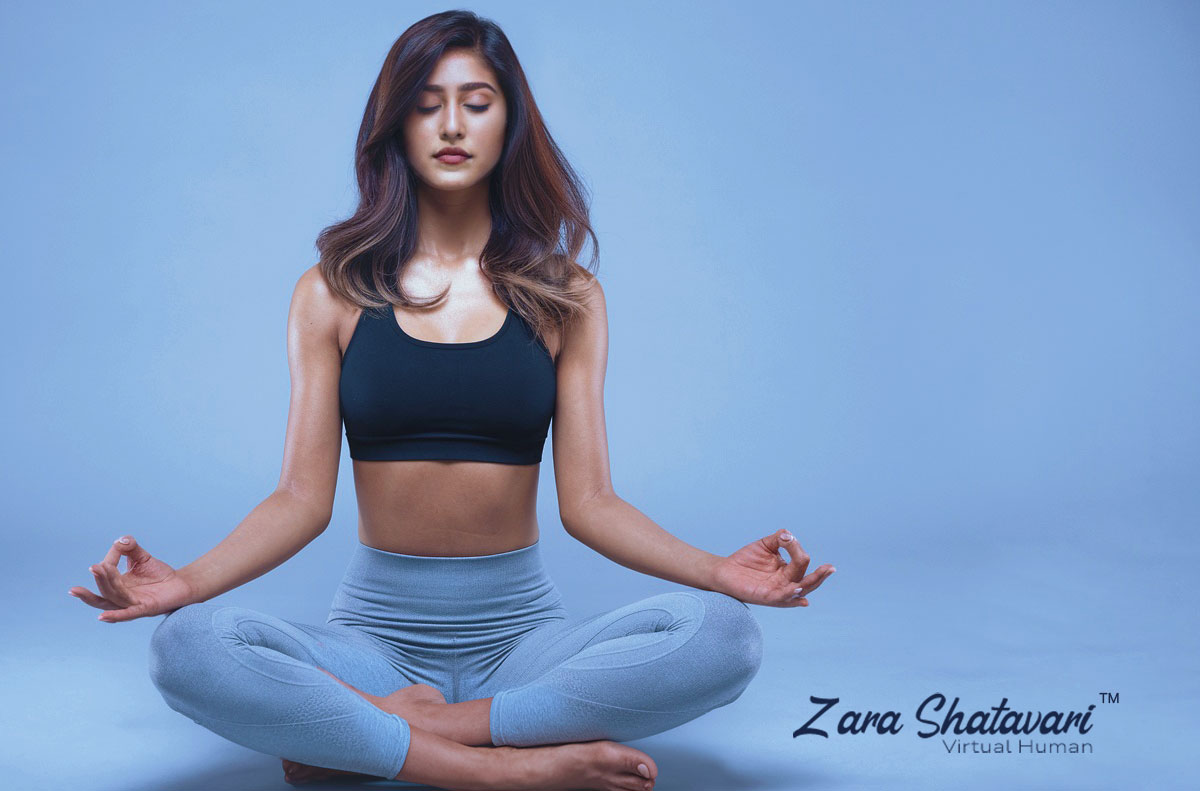
In a fast-paced world filled with stress, distractions, and endless responsibilities, meditation has emerged as a powerful tool for mental clarity, emotional balance, and spiritual awakening. But why is meditation so powerful? How can it transform your mind and body while leading you toward self-realization?
Let’s explore the scientific, psychological, and spiritual benefits of meditation and understand why it is more than just sitting in silence.
1️⃣ Meditation Calms the Mind & Reduces Stress 😌🧘♀️
🔹 Reduces Cortisol Levels – Studies show that meditation lowers cortisol, the stress hormone responsible for anxiety and tension.
🔹 Promotes Relaxation – By focusing on your breath or a mantra, meditation relaxes the nervous system.
🔹 Enhances Emotional Stability – It helps you detach from negative thoughts, making you more resilient to stress.
🔬 Scientific Evidence:
A study published in JAMA Internal Medicine found that mindfulness meditation can significantly reduce anxiety and stress-related disorders.
💡 Try This:
👉 5-Minute Breathing Meditation – Close your eyes, inhale deeply for 4 seconds, hold for 4 seconds, exhale for 6 seconds. Repeat.
2️⃣ Meditation Boosts Brain Power & Focus 🧠⚡
🔹 Improves Concentration – Meditation increases gray matter density in the prefrontal cortex, responsible for focus and decision-making.
🔹 Enhances Memory – Studies show that regular meditation prevents age-related memory loss.
🔹 Sharpens Creativity – By quieting mental noise, meditation helps in generating new ideas and perspectives.
🔬 Scientific Evidence:
A Harvard study found that 8 weeks of meditation can lead to changes in brain structure, improving memory, learning, and emotional regulation.
💡 Try This:
👉 Focus Meditation – Pick an object (candle flame, flower, or even your breath). Focus on it for 5–10 minutes daily.
3️⃣ Meditation Heals the Body & Strengthens Immunity 🏋️♂️🛡️
🔹 Lowers Blood Pressure – Meditation promotes better heart health by relaxing blood vessels.
🔹 Reduces Inflammation – Mindfulness reduces inflammatory markers linked to chronic diseases.
🔹 Boosts the Immune System – Meditation enhances disease-fighting cells in the body.
🔬 Scientific Evidence:
A study in Psychosomatic Medicine found that people who meditate produce more antibodies, improving their ability to fight infections.
💡 Try This:
👉 Body Scan Meditation – Lie down, bring awareness to each part of your body, release tension, and relax completely.
4️⃣ Meditation Helps Control Negative Thoughts & Emotions 💭💖
🔹 Reduces Overthinking – Meditation creates a gap between you and your thoughts, preventing mental exhaustion.
🔹 Enhances Emotional Intelligence – Regular practice helps you observe emotions without reacting impulsively.
🔹 Promotes Inner Peace – You become less affected by external negativity.
🔬 Scientific Evidence:
A study from Psychological Science found that people who meditate experience less emotional reactivity to stressors.
💡 Try This:
👉 Loving-Kindness Meditation – Close your eyes and send love and positive thoughts to yourself and others.
5️⃣ Meditation Leads to Self-Realization & Spiritual Awakening ✨🕉️
🔹 Expands Self-Awareness – Meditation helps you connect with your true self beyond the physical body and mind.
🔹 Deepens Intuition – You start trusting your inner guidance rather than external validation.
🔹 Fosters Enlightenment – Over time, meditation can help you experience a profound sense of oneness with the universe.
🔬 Philosophical Insight:
Ancient texts like the Bhagavad Gita and Upanishads describe meditation as the key to self-realization and liberation from suffering.
💡 Try This:
👉 Silent Meditation – Sit in complete stillness, observe your breath, and detach from thoughts.
FAQs on Meditation 🤔🧘♂️
Q1: How long should I meditate daily to see benefits?
A: Start with 5–10 minutes daily and gradually increase to 20–30 minutes for deeper effects.
Q2: Can meditation help with anxiety and depression?
A: Yes! Studies show that meditation lowers stress hormones and improves emotional well-being.
Q3: Is it okay if my mind wanders during meditation?
A: Yes, it’s normal! Simply bring your focus back to your breath without judgment.
Q4: Can meditation replace sleep?
A: No, but meditation improves sleep quality, making you feel more rested with fewer hours of sleep.
Q5: What’s the best time to meditate?
A: Early morning (Brahma Muhurta) or before bed are ideal times for meditation.
Final Thoughts: Why You Should Start Meditating Today!
✅ Reduces stress & anxiety
✅ Boosts brain function & focus
✅ Heals the body & strengthens immunity
✅ Promotes emotional balance & inner peace
✅ Unlocks self-awareness & spiritual growth
Meditation is free, simple, and life-changing. Even 5 minutes a day can transform your mind, body, and soul!
📢 Have you tried meditation? What changes have you noticed? Share in the comments!
🌟 For more wellness tips, visit zarashatavari.com!
Disclaimer:
This article is for informational purposes only. Consult a medical expert or spiritual teacher before making meditation a part of your lifestyle.